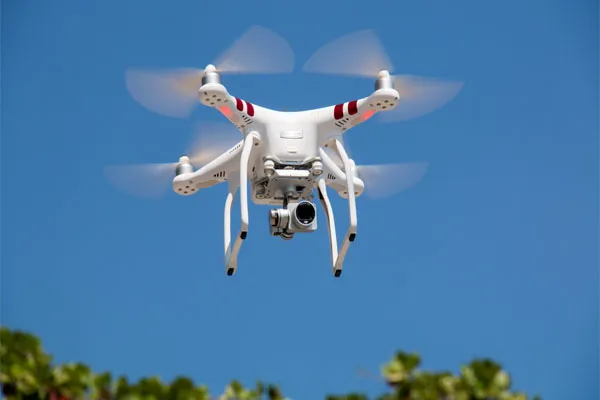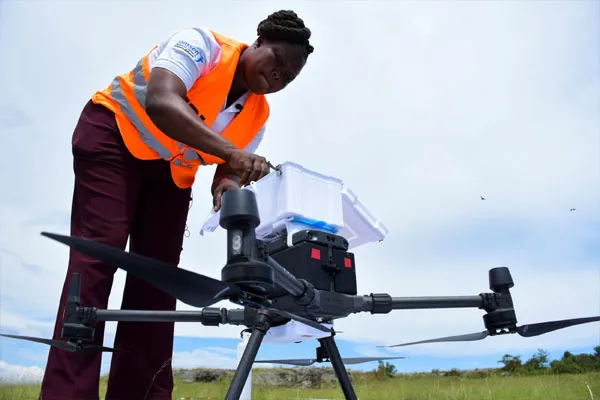
Drones, or Unmanned Aerial Vehicles (UAVs), are rapidly transforming the way essential goods are delivered, especially in areas that are hard to reach or where traditional transportation is limited. By combining speed, efficiency, and precision, drones are emerging as a revolutionary solution for the supply of essential items such as medicines, food, and emergency supplies.
1. Fast and Efficient Delivery
Drones can cover long distances quickly and bypass traffic congestion or damaged roads. This makes them ideal for delivering critical supplies like medicines, vaccines, and first-aid materials in emergencies. In rural or disaster-hit areas, drones can reach places that vehicles cannot.
2. Automated and Contactless Operations
Drones can be programmed to follow predefined routes and deliver packages autonomously. This ensures safe and contactless delivery — an essential factor during pandemics or outbreaks where human contact must be minimized.
3. Accessibility in Remote Areas
In mountainous or isolated regions, drones can easily fly over terrain obstacles and deliver food, medical kits, or water to communities cut off by floods, landslides, or other natural disasters.
4. Real-Time Tracking and Monitoring
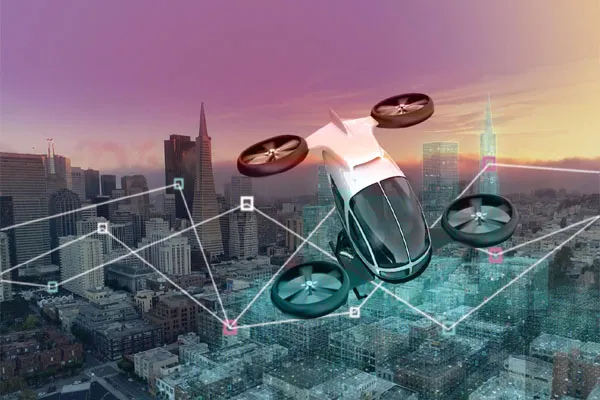
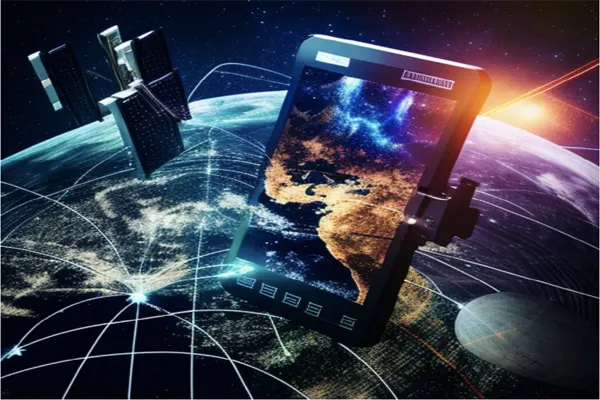
Modern delivery drones are equipped with GPS and communication systems that allow for real-time tracking. Authorities or organizations can monitor the flight path and ensure timely delivery of supplies.
5. Cost-Effective and Eco-Friendly
Compared to traditional vehicles, drones consume less energy and require minimal human intervention. This makes them both cost-effective and environmentally friendly for last-mile delivery.
6. Applications in Different Sectors
-
Healthcare: Transporting vaccines, blood samples, and emergency medicines.
-
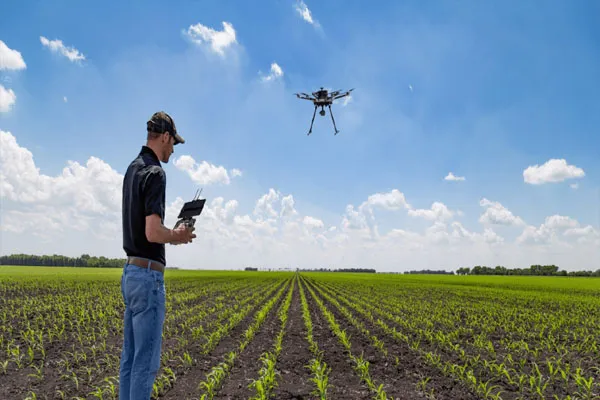
Agriculture: Delivering seeds, fertilizers, and agricultural tools to farmers.
-
Disaster Management: Supplying food, shelter materials, and rescue equipment to affected zones.
-
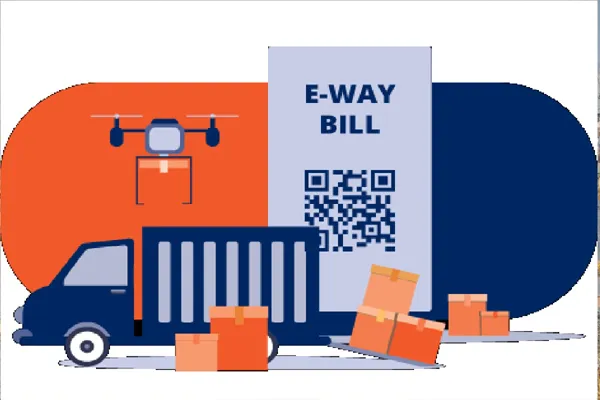
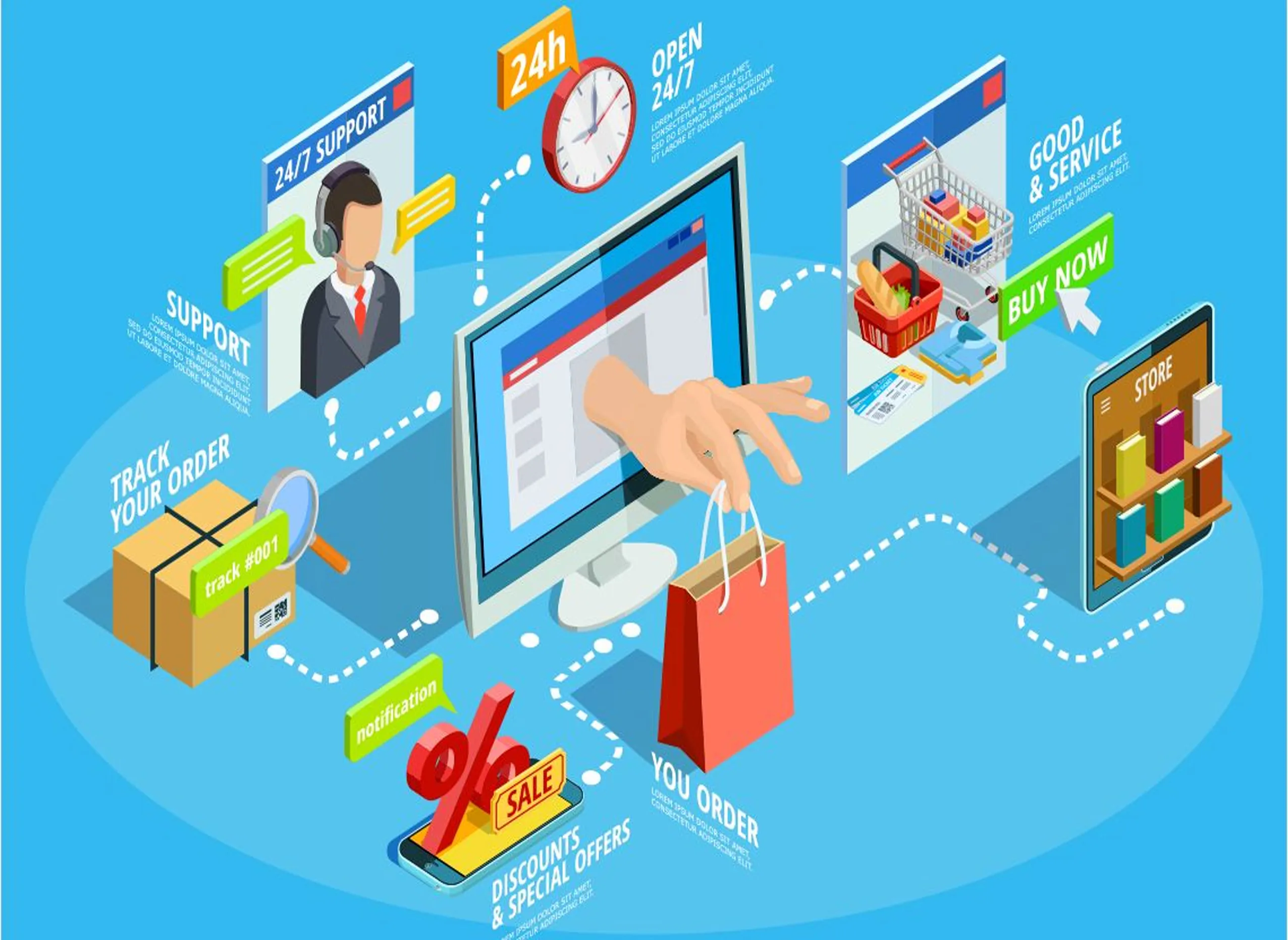
E-commerce: Enabling faster home delivery of groceries and daily essentials.
Conclusion
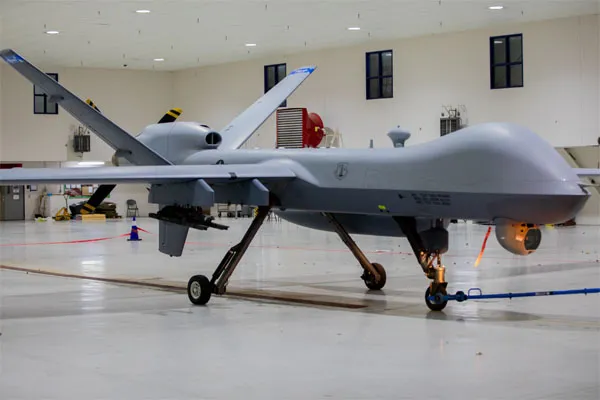
Drones are not just tools for surveillance or photography—they are becoming an essential part of the logistics chain. With continuous technological advancements, drone delivery systems can play a vital role in building a faster, safer, and more efficient supply network for essential goods, especially during crises and in remote locations.